
Facing Eviction and Debt at the Same Time in Illinois
Key Takeaways: Filing Chapter 7 before an Illinois eviction judgment can trigger an automatic stay that temporarily pauses many collection and court actions, but it does not give a tenant a permanent right to remain in a rental once a landlord seeks possession. Bankruptcy may discharge underlying rent debt treated as unsecured, yet possession and debt are legally separate questions, and the stay’s protection is significantly limited once a judgment for possession has been entered. Knowing where you stand in the Illinois eviction timeline, especially the pre-judgment window after a summons but before judgment, is critical, since filing early generally offers more flexibility. Tenants often benefit from pairing debt relief with eviction defenses and Cook County’s Early Resolution Program, which provides free legal aid, mediation, and rental assistance. Because outcomes are fact-dependent and turn on exact timing, individualized analysis and full financial disclosure are essential.
If you are a Chicago-area tenant drowning in unsecured debt while an eviction case moves forward, the timing of a Chapter 7 filing can matter a great deal. Filing Chapter 7 before an eviction judgment is entered can trigger an automatic stay that temporarily pauses many collection and court actions, which sometimes buys time to negotiate or reorganize your finances. The honest answer to "do bankruptcies clear evictions" is nuanced: a Chapter 7 filing may delay an eviction and discharge underlying rent debt, but it generally does not give a tenant a permanent right to stay in a rental once a landlord seeks possession. Understanding where you are in the Illinois eviction timeline is the first step toward making an informed decision.
If you want guidance tailored to your situation, the team at DebtPros is ready to help. You can call us at 312-728-8515 or schedule a confidential consultation to discuss your options today.
💡 Pro Tip: Before doing anything else, write down the exact date listed on your court summons. That single date often determines whether a bankruptcy filing can still influence the outcome.
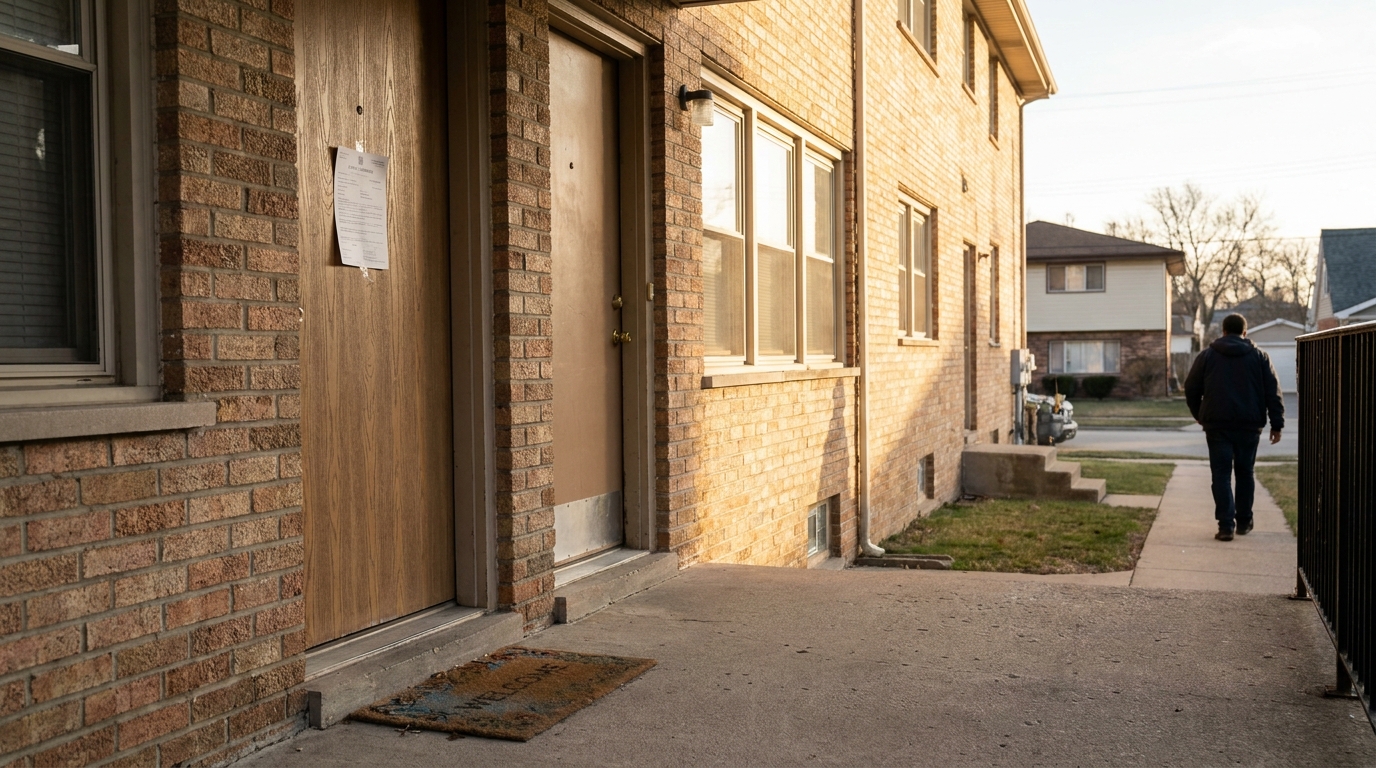
How the Illinois Eviction Process Works Before Judgment
Illinois eviction cases follow a defined statutory path, and knowing that path helps you see where Chapter 7 might fit in. Eviction in Illinois, formerly called "forcible entry and detainer," is governed by Article IX of the Code of Civil Procedure, 735 ILCS 5/9-101 and following. A landlord may maintain an eviction action when a lessee, under 735 ILCS 5/9-102(a)(4), "holds possession without right after the termination of the lease or tenancy by its own limitation, condition or terms, or by notice to quit or otherwise." You can review the controlling statutory framework through the Illinois eviction statute to see how the process is structured.
The case begins when the landlord files an Eviction Complaint and serves a summons on the tenant. Under Supreme Court Rule 101(b) and the related summons provision, a defendant is generally required to appear on a day "not less than seven or more than 40 days after the issuance of summons." This pre-judgment window is the period during which an automatic stay from a Chapter 7 filing is most likely to be relevant. If a tenant does not appear, a judge can enter a default judgment ordering the tenant to move and to pay money.
Before any eviction judgment in Illinois is entered, the court must make a specific factual finding. Under 735 ILCS 5/9-109.5, the standard of proof requires the court, after a trial, to find the landlord’s allegations proven by a preponderance of the evidence before it "shall enter an eviction order in favor of the plaintiff." That threshold is the line many tenants hope to act before, because the legal landscape changes significantly once possession is awarded.
Do Bankruptcies Clear Evictions, or Just Pause Them?
This is where careful, conditional language matters, because the law draws a sharp distinction between debt and possession. When you file Chapter 7, an automatic stay generally goes into effect under federal bankruptcy law, and it can temporarily halt many collection efforts, including some stages of an eviction. So when people ask whether do bankruptcies clear evictions, the accurate response is that bankruptcy may discharge the money you owe, such as back rent treated as unsecured debt, while not necessarily preserving your right to remain in the unit.
There are important exceptions, and courts interpret them narrowly. Under 11 U.S.C. § 362(b)(22), if a landlord has already obtained a judgment for possession before you file, the automatic stay generally does not stop the landlord from continuing the eviction, though a limited exception under § 362(l) may apply for 30 days if you file a certification stating that state law allows you to cure the default and you deposit the required rent, and longer only if you fully cure the monetary default within that window. In many cases, filing while the case is still pending and before any judgment for possession is entered offers more flexibility than filing after the landlord has prevailed. Outcomes here are fact-dependent and can turn on exactly when the judgment was entered, so individualized analysis is essential.
| Stage of Eviction | Potential Effect of a Chapter 7 Filing |
|---|---|
| Before complaint filed | Stay may pause collection on rent debt; possession not yet at issue |
| After summons, before judgment | Automatic stay may temporarily interrupt proceedings, subject to exceptions |
| After judgment for possession | Stay protection is significantly limited under federal law |
💡 Pro Tip: An automatic stay is a pause, not a permanent shield. Treat any breathing room it provides as time to negotiate or plan, not as a guaranteed long-term solution.
What Chapter 7 Can and Cannot Do for a Renter
Chapter 7 is primarily a tool for eliminating qualifying unsecured debt and securing a financial fresh start. For Chicago households burdened by credit cards, medical bills, and payday loans, a discharge can stop creditor harassment and certain garnishments while protecting exempt property under Illinois exemption rules. If you want to understand eligibility, the means test, and how discharge works, our overview of filing Chapter 7 eviction relief options explains the process in plain terms.
That said, Chapter 7 is not designed to be a substitute for asserting your rights in eviction court. A few realities are worth keeping in mind:
- Past-due rent is often treated as dischargeable unsecured debt, but a discharge does not, by itself, grant continued occupancy.
- The automatic stay may delay but generally will not erase a landlord’s right to seek possession, and a landlord can ask the court to lift the stay, for example, if you fall behind on post-petition rent.
- Filing decisions involve an ethical duty of full and accurate financial disclosure, including all debts and assets.
Because these issues overlap, many tenants benefit from addressing eviction defenses and debt relief on parallel tracks. Some tenants with potential legal defenses can obtain full representation through local pilot programs, meaning legitimate defenses to an eviction can still be raised before judgment. Coordinating both efforts thoughtfully often produces a better result than relying on bankruptcy alone.
Local Resources and Defenses Available in Cook County
Cook County offers structured early-intervention options that can work alongside any bankruptcy strategy. The Early Resolution Program (ERP) connects renters facing eviction with legal aid, mediation, and rental assistance referrals to help avoid unnecessary evictions or debt judgments. The program’s stated goals include creating a fairer eviction court process, leveling the playing field between tenants and landlords, and forestalling preventable evictions whenever possible.
Free, government-backed legal help is also available regardless of income or immigration status. ERP provides universal access to legal aid, offering free advice and brief assistance to unrepresented tenants and landlords, and that help can extend to negotiating resolutions in appropriate cases. A coordinated Illinois legal aid resource handles eviction, foreclosure, consumer debt, and tax deed issues together, which is useful context when you are weighing your choices.
💡 Pro Tip: Combining ERP mediation with a debt-relief plan can sometimes resolve both your tenancy and your finances without a contested trial.
You can also verify the procedures and paperwork through authoritative, high-trust sources. The standardized Illinois eviction court forms are approved by the Illinois Supreme Court and are required to be accepted in all Illinois Circuit Courts. Reviewing these official forms can help you understand exactly what the landlord must file and what deadlines apply.
💡 Pro Tip: If your summons or complaint does not match the Illinois Supreme Court approved forms, raise that promptly, because procedural defects can affect a case.
Frequently Asked Questions
1. Will the automatic stay automatically stop my eviction in Illinois?
Not in every case. The automatic stay can temporarily interrupt many proceedings, but its effect on possession is limited, especially after a judgment for possession has been entered, and courts apply these rules narrowly.
2. Does Chapter 7 wipe out the rent I owe?
In many cases, past-due rent is treated as dischargeable unsecured debt, but this depends on your specific circumstances and on accurate, complete disclosure of all obligations.
3. Can I stay in my apartment if I file before judgment?
Filing before an eviction judgment Illinois courts enter may provide more flexibility, but it generally does not guarantee continued occupancy. Possession and debt are treated as separate legal questions.
4. Where can I learn more about bankruptcy basics?
Our regularly updated articles on Illinois debt relief, available through the firm’s tenant rights and debt resource library, cover common questions about eligibility and the filing process.
5. Should I handle eviction and bankruptcy together?
Often, yes. Coordinating a Cook County eviction bankruptcy strategy with available legal aid and defenses tends to produce more informed decisions than pursuing either path in isolation.
Putting the Pieces Together for a Fresh Start
The relationship between Chapter 7 and an Illinois eviction is timing-sensitive, fact-dependent, and rarely one-size-fits-all. A filing before judgment may trigger an automatic stay and discharge qualifying rent debt, yet it generally will not, by itself, secure your long-term right to remain in a rental. Pairing thoughtful debt relief with Cook County’s early-resolution tools and any valid eviction defenses gives you the strongest footing. Because every situation differs, conditional planning and full disclosure remain the foundation of any sound approach.
When you are ready to evaluate whether a Chapter 7 filing fits your circumstances, the attorneys at DebtPros are here to help you understand your options. Call 312-728-8515 or reach out through our contact page to take the first step toward a financial fresh start.