
Can Creditors Still Call You After Filing Chapter 7 in Chicago?

What the Automatic Stay Means for Creditor Phone Calls in Chicago Key Takeaways: Filing Chapter 7 in Chicago triggers the automatic stay under 11 U.S.C. § 362(a), requiring creditors to stop collection calls once your petition is filed, without a separate court order or discharge. Some calls may still arrive briefly due to notice delays, […]
What Is an Emergency Chapter 13 Skeleton Petition in Illinois?
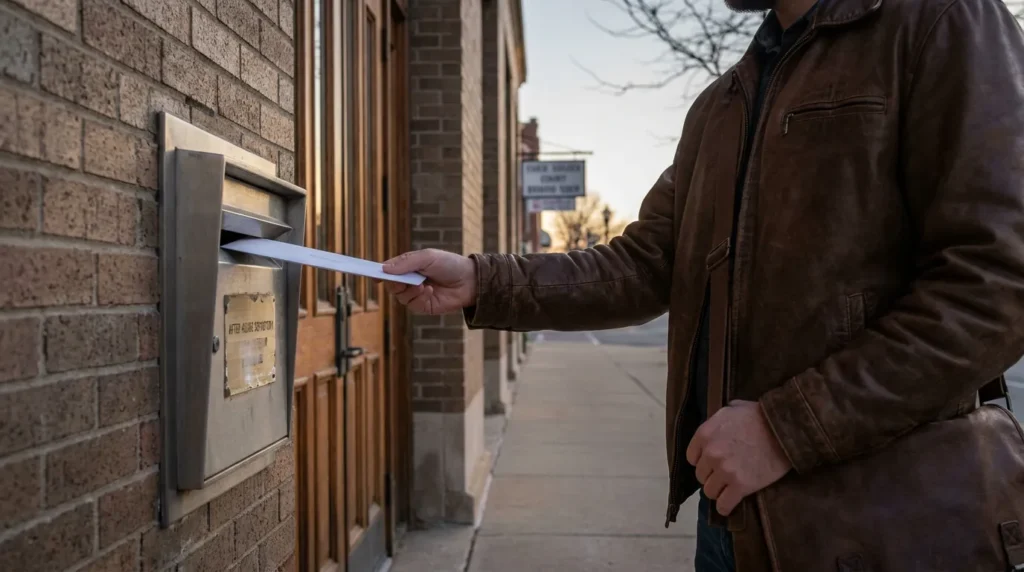
Filing Fast When Foreclosure or Garnishment Is Days Away Key Takeaways: An emergency Chapter 13 skeleton petition in Illinois is a minimal filing, typically just the voluntary petition (Form 101), a creditor list or mailing matrix, and a Social Security number statement, that generally commences a case upon filing under 11 U.S.C. § 301 and […]
Can Chapter 7 Bankruptcy Wipe Out Past Due Utility Bills in Illinois?
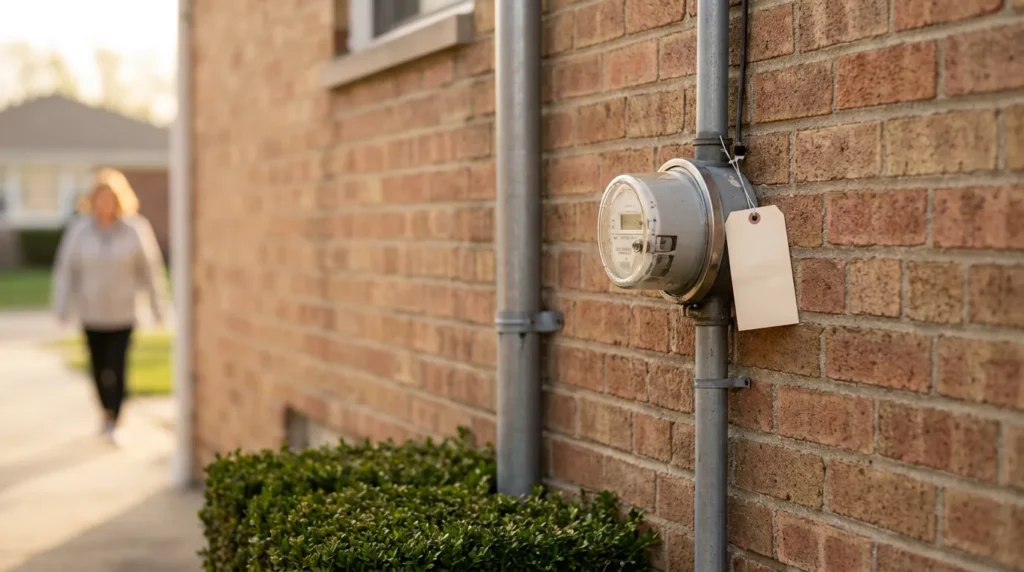
Falling Behind on ComEd or Nicor? Here’s What a Chapter 7 Filing Can Actually Do Key Takeaways: Past due utility bills in Illinois are generally unsecured debts, so a Chapter 7 discharge typically wipes out personal liability for ComEd, Nicor Gas, Peoples Gas, and municipal water arrears just as it does credit card and medical […]
What Is the $900 Luxury Goods Presumption in Illinois Chapter 7 Bankruptcy?

Recent Credit Card Charges and the Risk of a Discharge Objection in Illinois Key Takeaways: Under 11 U.S.C. § 523(a)(2)(C), consumer debts for luxury goods or services owed to a single creditor totaling more than $900 incurred within 90 days of filing may be presumed nondischargeable in Chapter 7, with a parallel rule for cash […]
What Is a Chapter 13 Hardship Discharge Under Section 1328(b) in Illinois?
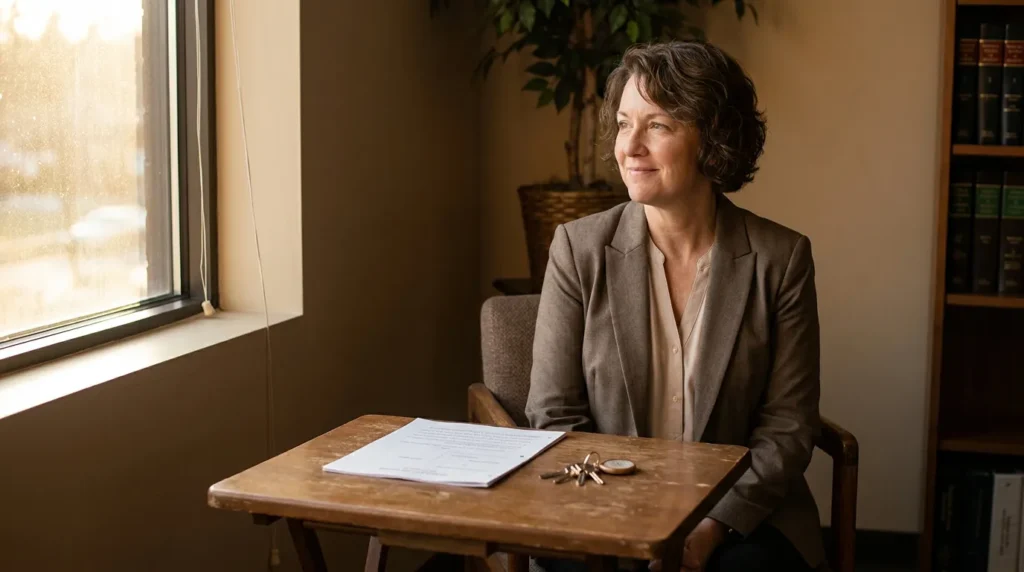
When Life Derails a Chapter 13 Plan: Understanding Early Discharge in Illinois Key Takeaways: A Chapter 13 hardship discharge under 11 U.S.C. § 1328(b) is a discretionary, court-granted release from certain debts for debtors who cannot complete plan payments due to blameless circumstances, such as disabling illness or death of a wage earner. Illinois debtors […]