
When Debt and Housing Collide: A Renter’s Guide in Illinois
Key Takeaways: Filing Chapter 7 bankruptcy can pause an eviction through the automatic stay under 11 U.S.C. § 362, but it generally won’t let you keep the unit if the landlord has a lawful right to possession, especially with an existing judgment. Bankruptcy can discharge past-due rent as unsecured debt, eliminating your personal liability. Illinois protects tenants: only the county sheriff can remove you, self-help eviction is illegal, and landlords must provide proper written notice, five days for unpaid rent or ten days for other violations. Tenants can contest evictions in court, recover wrongfully withheld security deposits, and request sealed court records. Recent reforms, including the Landlord Retaliation Act, protect renters from retaliatory eviction. Early legal guidance is the best way to protect both your housing and financial future.
If you’re a renter drowning in credit card balances, medical bills, or payday loans while facing eviction, you’re asking a fair question: do bankruptcies clear evictions? The honest answer is that filing Chapter 7 can pause an eviction through the automatic stay, but it generally doesn’t erase a landlord’s right to recover possession once a court order exists. Bankruptcy effectively wipes out unsecured debt, yet its effect on housing depends on timing, your lease status, and how far the eviction has progressed.
If you’re weighing whether bankruptcy can give you breathing room, the team at DebtPros is ready to help. Call us at 312-728-8515 or schedule a confidential consultation to discuss your situation.
💡 Pro Tip: Act before a sheriff posts a move-out notice. The earlier you understand your rights, the more options you have to protect both your housing and financial future.
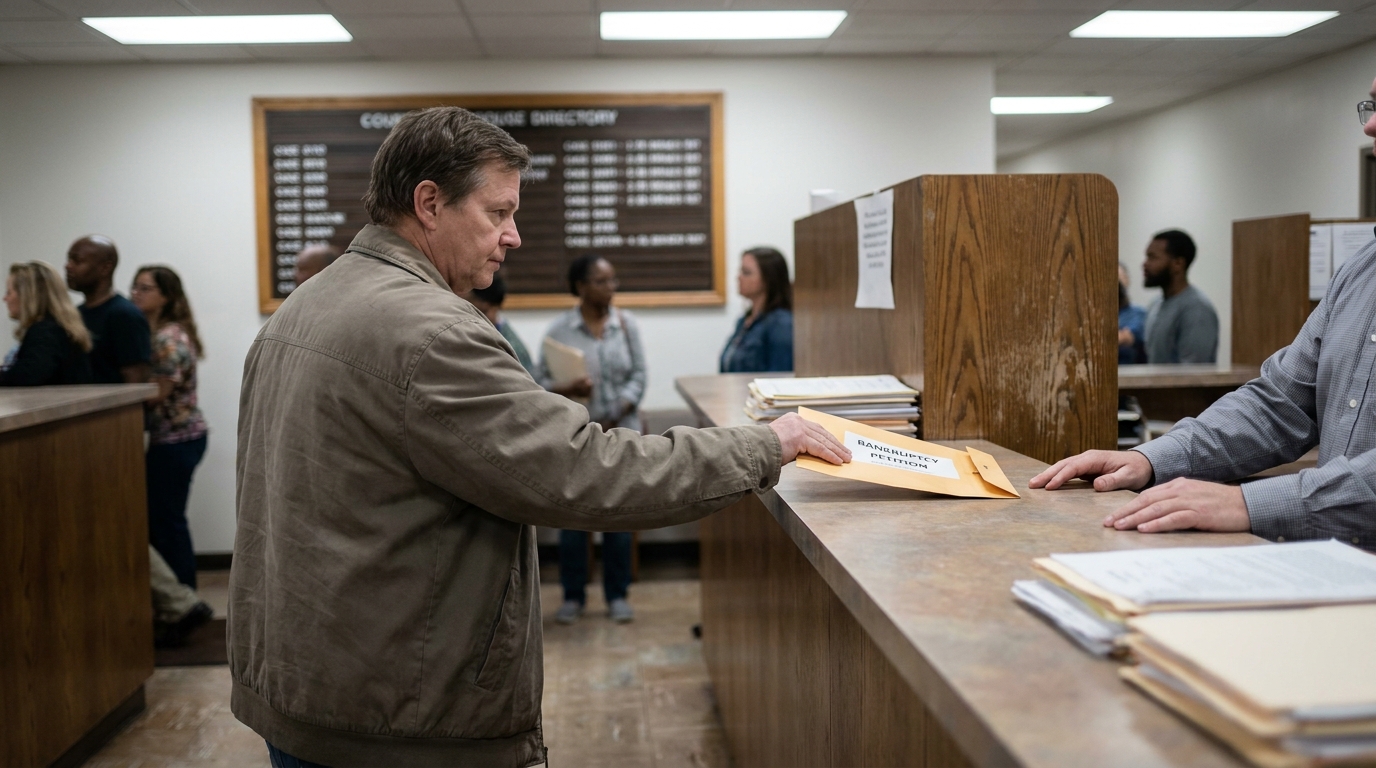
Do Bankruptcies Clear Evictions? Understanding the Automatic Stay
The automatic stay is the immediate legal pause that takes effect when you file bankruptcy under 11 U.S.C. § 362. This stay generally stops most collection activity, including many eviction proceedings. The stay can buy valuable time, but it’s not a permanent shield. Federal law contains specific carve-outs, and a landlord may ask the court to lift the stay.
One important exception involves existing judgments. Under 11 U.S.C. § 362(b)(22), if a landlord obtained a judgment for possession before you filed, the automatic stay generally doesn’t stop the eviction unless you meet narrow statutory conditions involving curing the rent default. In many cases, the stay delays rather than defeats an eviction, while permanently discharging the underlying rent debt as an unsecured obligation.
So when people ask whether bankruptcies clear evictions, the precise answer is: Chapter 7 may eliminate your personal liability for back rent, but it generally won’t let you stay in a rental indefinitely if the landlord has a lawful basis to recover the unit. To learn how a discharge fits your broader debt picture, our overview of Chapter 7 tenant rights Illinois walks through eligibility, the means test, and Illinois exemptions.
How Illinois Evictions Actually Work
Illinois law requires a formal, court-supervised process for landlords to remove a tenant. The stage of the eviction often determines whether the automatic stay helps you.
Only the County Sheriff Can Remove You
In Illinois, only the county sheriff can perform an eviction with a judge’s order. No landlord, property manager, or hired crew has authority to physically remove you or your belongings. You can read more about the steps in this guide to the eviction process for tenants from Illinois Legal Aid Online. Because a judicial order is required, evictions move on a court timeline rather than a landlord’s preferred schedule.
Self-Help Eviction Is Illegal
A landlord in Illinois cannot use self-help and must file an eviction to remove a tenant. That means a landlord cannot lawfully force you out by cutting utilities or changing locks. These tactics are prohibited, and a landlord who uses them may face liability.
💡 Pro Tip: Document everything. Photographs of changed locks, dated notes about utility shutoffs, and copies of notices can be critical evidence.
Notice Requirements That Protect Tenants
Before filing an eviction, an Illinois landlord must give written notice stating the basis for the action. Required notice depends on the reason for eviction, and these timelines give tenants a fair chance to respond. Notice rules are separate from bankruptcy filing, though both can run simultaneously.
Five-Day vs. Ten-Day Notice
The two most common notices are the five-day notice for unpaid rent and the ten-day notice for other lease violations. For nonpayment, if the tenant pays the full rent owed within five days, the landlord generally cannot proceed with eviction. For other lease violations, the landlord must serve ten days of written notice before starting proceedings.
| Reason for Eviction | Required Written Notice | Tenant’s Opportunity |
|---|---|---|
| Nonpayment of rent | Five-day notice | Pay full rent within five days to stop the case |
| Other lease violation | Ten-day notice | Address the violation where possible |
A tenant who stays past the lease term carries additional risk. If a holdover is deemed willful, the tenant may become liable for double rent during the holdover period and can be evicted.
What Happens to Rent Debt and Security Deposits
Past-due rent is generally treated as unsecured debt that a Chapter 7 discharge can eliminate. This is often the most direct way bankruptcy helps a struggling renter: even if you cannot keep the apartment, you may walk away without owing back rent. A landlord who pursues a money judgment for overdue rent generally becomes an unsecured creditor in your case. Future rent on a lease you choose to keep remains your responsibility.
Security deposit disputes are governed by separate Illinois rules. As of January 1, 2024, the Illinois Security Deposit Return Act applies to all residential rental units statewide: after a tenant vacates the landlord must, within 30 days, provide a written itemized statement of alleged damages before withholding any deposit, and statutory penalties (including twice the withheld amount plus attorney fees and court costs) can apply for violations. Prior to January 1, 2024, the requirement applied only to buildings with five or more units.
💡 Pro Tip: If you’re owed a security deposit, raise it promptly. A wrongfully withheld deposit can sometimes offset what a landlord claims you owe.
An eviction case can end in several ways:
- Dismissal of the case or an agreement between parties
- A judgment for the tenant, or an eviction order against the tenant
- A money judgment for overdue rent
- Sealing of the court record
Tenants can ask the judge to seal the eviction court file after the case ends, though sealing is discretionary and requires the court to find the landlord’s action lacked sufficient basis in fact or law. Sealing can help protect your rental history when searching for new housing, but it is very difficult to obtain when a valid eviction order was entered against the tenant. This relief is discretionary, so it’s not guaranteed in every case.
Tenant Protections You Should Not Overlook
Illinois has strengthened tenant protections in recent years, including limits on retaliatory eviction. Under the Landlord Retaliation Act, House Bill 4768, a landlord is prohibited from taking retaliatory action against a tenant for reporting complaints or code violations to government agencies, the media, or the landlord. Learn more about these reforms through the National Low Income Housing Coalition’s summary of Illinois renter protections. If your eviction followed a complaint you made, retaliation may be a defense worth raising.
The financial pressure on Illinois renters is significant. National housing research has found that a full-time worker in Illinois would need to work roughly 82 hours per week at minimum wage to afford a two-bedroom rental without spending more than 30 percent of income on rent. Bankruptcy won’t lower your rent, but discharging other debts may free up income to stay current going forward.
You also have the right to contest an eviction in court. The landlord generally must prove by a preponderance of the evidence that they have the right to recover the premises. The process takes at least one week, and a judge will typically grant brief additional time to move. The eviction process is not automatic, although a landlord can win by default if the tenant doesn’t participate. For more guidance, our bankruptcy eviction facts Illinois resources offer practical, plain-language explanations.
💡 Pro Tip: Never ignore court papers. Showing up is often the single most important step, because a default can hand the landlord a win without a fight.
Frequently Asked Questions
-
Does filing Chapter 7 stop an eviction in Illinois?
Filing generally triggers the automatic stay under 11 U.S.C. § 362, which can pause many evictions. However, if the landlord already has a judgment for possession, the stay may not apply under 11 U.S.C. § 362(b)(22) unless narrow conditions are met.
-
Can bankruptcy erase the rent I already owe?
Yes, in many cases. Past-due rent is typically treated as unsecured debt, and a Chapter 7 discharge can eliminate your personal liability for it.
-
Can my landlord change the locks if I file bankruptcy?
No. Illinois prohibits self-help eviction, so a landlord cannot lawfully change locks or shut off utilities. A landlord must obtain a court order, and only the county sheriff can carry out the eviction.
-
Will an eviction stay on my record forever?
Not necessarily. Tenants can ask the judge to seal the court file after the case ends, though sealing is discretionary and is very difficult to obtain when a valid eviction order was entered.
-
Do I have to move immediately if the judge rules against me?
Generally not instantly. The process takes at least a week even when expedited, and judges commonly grant brief additional time to move.
Putting It All Together for a Fresh Start
For Illinois renters facing both eviction and overwhelming debt, the key takeaway is that bankruptcy and eviction are related but separate legal tracks. Chapter 7 can pause an eviction through the automatic stay and discharge back rent as unsecured debt, yet it generally won’t guarantee that you keep the unit if the landlord has a lawful right to possession. Illinois law provides protections, from notice requirements and the ban on self-help eviction to the right to contest the case and seek a sealed record.
If you’re ready to explore how a fresh start could protect your income and your future, reach out to DebtPros today. Call our office at 312-728-8515 or request your confidential case review to get straightforward answers about your options. Taking that first step now can help you face both your debt and your housing situation with a clear plan.