
Protecting Your Home: How Chapter 13 Can Stop Foreclosure in Cook County
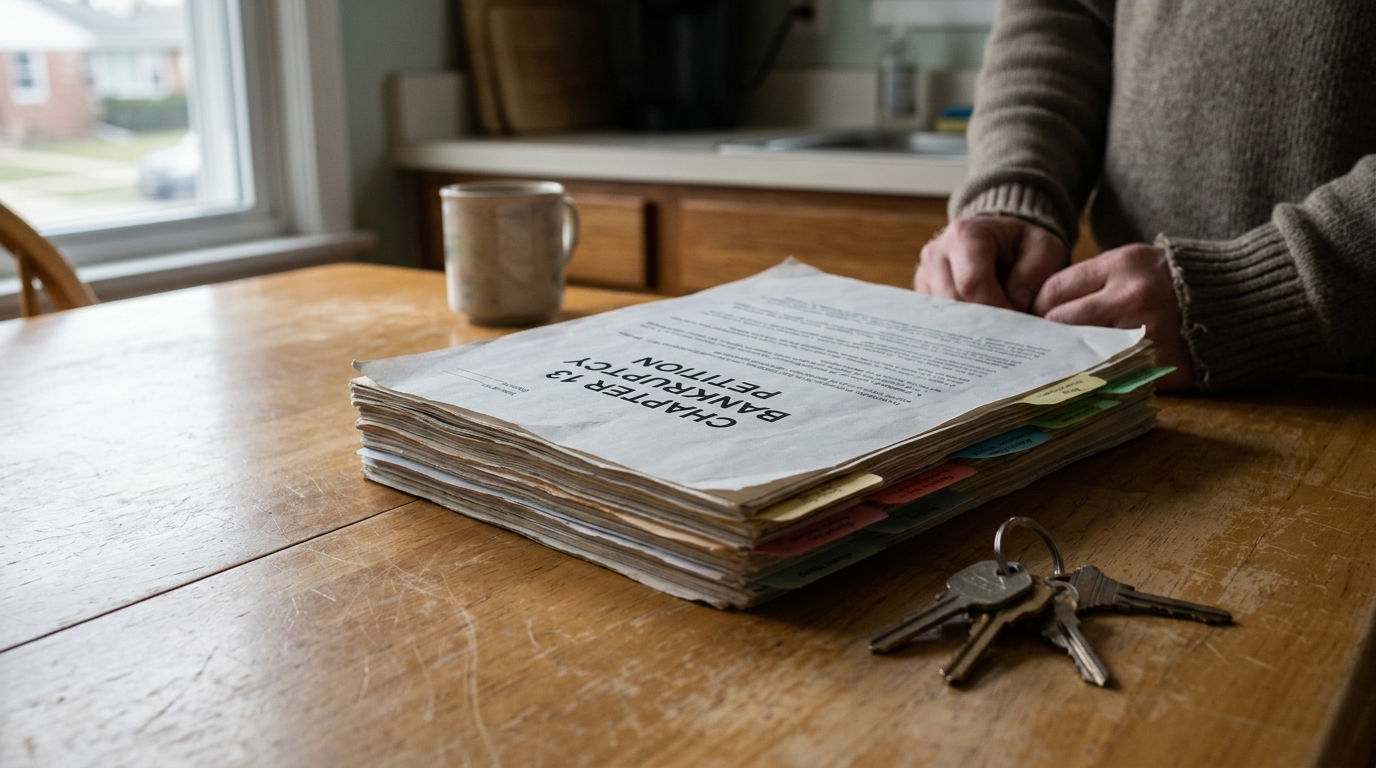
If you are a Cook County homeowner facing foreclosure, Chapter 13 bankruptcy may offer a powerful legal tool to stop the process and keep your home. Illinois is a judicial foreclosure state, meaning your lender must file a lawsuit and obtain a court order before forcing a sale. This court-driven process, governed by the Illinois Mortgage Foreclosure Law (735 ILCS 5/15-1101 et seq.), generally takes at least seven months for an occupied residence. By filing a Chapter 13 petition before finalization, you may halt the proceedings, catch up on missed payments through a structured repayment plan, and retain ownership.
If you are worried about losing your home, DebtPros can help you understand your options. Call 312-728-8515 or reach out online to discuss your situation today.
How Foreclosure Works in Cook County, Illinois
In Cook County, foreclosure is a judicial process in which a lender files a lawsuit against a homeowner who has defaulted on mortgage payments, and a Circuit Court judge oversees the case. These cases are heard in the Chancery Division’s Mortgage Foreclosure Section, Calendars 56 through 64. Hearings take place at the Richard J. Daley Center in Chicago, with remote Zoom proceedings also available.
If the court finds in favor of the lender, the result can be a forced sale of the property to repay the outstanding mortgage debt. Under 735 ILCS 5/15-1508, after a foreclosure sale occurs, the lender must obtain a court order confirming that sale before the foreclosure becomes final. This confirmation step is critical because it represents one of the last windows for homeowners to take action. The court may also enter a deficiency judgment against the borrower if requested.
💡 Pro Tip: Because Illinois requires judicial foreclosure, you will receive formal legal notice at multiple stages. Do not ignore court filings or deadlines, each may represent an opportunity to explore alternatives like Chapter 13.
Key Foreclosure Terms You Should Know
Illinois foreclosure law uses specific legal terms that every homeowner should understand. Under 735 ILCS 5/15-1203, "foreclosure" means an action commenced under Article XV of Illinois law. The mortgagor is the homeowner/borrower and the mortgagee is the lender. Under the separate Section 735 ILCS 5/15-1204, a "guarantor" means any person who has undertaken to pay any indebtedness or perform any obligation of a mortgagor under a mortgage, or of any other person who owes payment or the performance of other obligations secured by the mortgage, which undertaking is made by a guaranty or surety agreement of any kind.
| Term | Definition | Why It Matters for Chapter 13 |
|---|---|---|
| Mortgagor | The homeowner/borrower | The person who may file Chapter 13 to protect the home |
| Mortgagee | The lender holding the mortgage | Must obtain court confirmation of any foreclosure sale |
| Deficiency Judgment | A personal judgment for remaining debt after sale | Chapter 13 may address deficiency claims in a repayment plan |
| Order Confirming Sale | Court order approving the foreclosure sale and granting possession | Purchaser is entitled to possession 30 days after entry under Section 15-1508(g) |
The Automatic Stay: How Chapter 13 Stops Foreclosure
The moment you file a Chapter 13 bankruptcy petition, the federal automatic stay under 11 U.S.C. § 362 goes into effect and halts all collection actions against you, including foreclosure proceedings. This means even if your lender has obtained a judgment or scheduled a sheriff sale, the filing can pause the process. Sheriff foreclosure sales in Cook County are held Monday through Friday at 1 p.m. at the Daley Center, 50 W. Washington, Chicago, IL 60602. A timely Chapter 13 filing before the sale date or confirmation may prevent the loss of your home.
The automatic stay is not permanent, and creditors can ask the court to lift it. However, it provides critical breathing room. During this period, you can propose a repayment plan to the bankruptcy court that addresses your mortgage arrears over three to five years. This is one of the most significant advantages of Chapter 13 over Chapter 7 for homeowners facing foreclosure.
💡 Pro Tip: Timing matters. Under Illinois law, the lender must obtain a court order confirming the foreclosure sale before finalization (735 ILCS 5/15-1508). Filing Chapter 13 before that confirmation may halt the foreclosure, even after the sale itself.
Chapter 13 Bankruptcy Attorney in Cook County: What a Repayment Plan Looks Like
A Chapter 13 repayment plan allows you to catch up on missed mortgage payments over three to five years while continuing your regular monthly payments. This structure makes Chapter 13 particularly effective for chapter 13 home protection in Cook County. You must demonstrate regular income sufficient to fund the plan, and the plan must be proposed in good faith.
Your repayment plan can also address other debts beyond your mortgage. Credit card balances, medical bills, and certain tax obligations can be consolidated. If the court entered or could enter a deficiency judgment, Chapter 13 may provide a mechanism to address that claim as well.
Eligibility Requirements for Chapter 13
Not everyone qualifies for Chapter 13 bankruptcy, and meeting the eligibility requirements is essential before filing.
- You must have a source of regular income (wages, self-employment income, or other steady earnings)
- Your total debts must fall within the limits established under 11 U.S.C. § 109(e)
- You must complete credit counseling from an approved provider before filing
- All required tax returns must be filed before your case can proceed
- You must propose a good-faith repayment plan that the court can confirm
💡 Pro Tip: If you are a sole proprietor in Cook County with personal liability on business debts, you may still qualify for Chapter 13 by filing as an individual. Discuss your specific debt structure with a bankruptcy attorney.
Cook County Resources That Work Alongside Chapter 13 Protection
Cook County offers several programs designed to help homeowners facing foreclosure. The Chancery Division operates a Mortgage Foreclosure Mediation Program that may provide an alternative or supplement to litigation. Mediation allows homeowners and lenders to negotiate potential solutions alongside a bankruptcy case.
Free and affordable legal help is also available for Cook County residents. The county publishes a downloadable guide to legal resources, which can connect homeowners with attorneys and organizations offering assistance.
💡 Pro Tip: Even after you file Chapter 13, staying informed about your foreclosure case under Illinois law is important. Your bankruptcy attorney and the foreclosure court operate on separate tracks.
Your Right to Remain in Your Home During Foreclosure
Illinois law provides homeowners with the right to remain in possession of their property for 30 days after entry of an order confirming the foreclosure sale, under Section 15-1508(g) of the Illinois Mortgage Foreclosure Law (735 ILCS 5/15-1508). This protection exists even if the court has ruled in the lender’s favor. A residential mortgagor may be required to pay the lesser of the mortgage interest or fair rental value during this period. When combined with the automatic stay from a Chapter 13 filing, these procedural safeguards provide meaningful time to organize your finances.
Many homeowners assume they must leave immediately once a foreclosure judgment is entered, that is not the case in Illinois. The judicial foreclosure process includes multiple stages, and homeowners have rights at each one. A chapter 13 bankruptcy attorney in Cook County can help you identify where you are in the process and what options remain available.
When Chapter 13 May Not Be the Right Fit
Chapter 13 is a powerful tool, but it is not the right solution for every homeowner. If you do not have regular income, you may not be able to propose a feasible repayment plan. If your mortgage arrears are too large relative to your income, the monthly plan payment may be unaffordable. And if the foreclosure has been fully confirmed and the redemption period has expired, the window for Chapter 13 intervention may have closed.
💡 Pro Tip: If you have received a notice of a sheriff sale date, do not wait. Consult with a bankruptcy attorney immediately. The closer you are to the sale or confirmation, the fewer options you may have.
Frequently Asked Questions
1. Can Chapter 13 stop a foreclosure sale that has already been scheduled in Cook County?
When Does the Automatic Stay Apply?
In many cases, yes. Filing a Chapter 13 petition triggers the automatic stay under 11 U.S.C. § 362, which halts all collection activity, including a scheduled sheriff sale. However, if the sale has occurred and the court has confirmed it under 735 ILCS 5/15-1508, the window to intervene may be significantly narrower. Timing is critical.
2. How long do I have to catch up on missed mortgage payments in Chapter 13?
Understanding the Repayment Timeline
Chapter 13 repayment plans generally span three to five years. During this period, you make regular plan payments that include your mortgage arrears, while also staying current on your ongoing monthly mortgage obligation. The length depends on your income, the amount of arrears, and other debts included in the plan.
3. Will I lose my home if I file Chapter 13 bankruptcy?
Home Retention Under Chapter 13
The purpose of Chapter 13 is generally to help you keep your home, not lose it. Unlike Chapter 7, which may require liquidation of certain assets, Chapter 13 allows debtors to retain property while repaying debts through a court-approved plan. However, you must keep up with plan payments and ongoing mortgage payments, or the court may dismiss your case.
4. Does Cook County offer any foreclosure help programs besides bankruptcy?
Local Mediation and Legal Aid Options
Yes, Cook County offers a Mortgage Foreclosure Mediation Program through the Chancery Division. This program may allow homeowners and lenders to negotiate alternatives to foreclosure. Additionally, the county provides free and affordable legal help guides for residents facing foreclosure.
5. What happens if I cannot complete my Chapter 13 repayment plan?
Risks of Plan Failure
If you fail to make required plan payments, the bankruptcy court may dismiss your case or convert it to a Chapter 7 proceeding. Dismissal would remove the automatic stay and allow your lender to resume foreclosure. In some situations, you may be able to modify your plan if circumstances have changed, but this requires court approval.
Taking the Next Step to Protect Your Cook County Home
Foreclosure is a serious legal process, but it does not have to mean the end of homeownership. Illinois law provides multiple procedural protections for homeowners, and Chapter 13 bankruptcy offers a structured way to catch up on mortgage arrears while keeping your property. The key is to act quickly, understand your rights, and get the right guidance. You can explore more bankruptcy and foreclosure defense topics on our bankruptcy blog to learn about additional strategies.
If you are a Cook County homeowner facing foreclosure and want to explore whether Chapter 13 can help you save your home, DebtPros is here to help. Call 312-728-8515 or contact us today to schedule a consultation.